Ketamine Infusion Therapy · Chandler, AZ

Ketamine Infusion Therapy in Arizona

If you've been searching for ketamine therapy near you, Advanced Ketamine offers medically supervised IV ketamine infusions in Chandler, AZ for adults with treatment-resistant depression, anxiety, PTSD, OCD, and chronic pain who have not found lasting relief with standard treatments. Every infusion is dosed by a licensed provider and monitored by a registered nurse from start to finish.

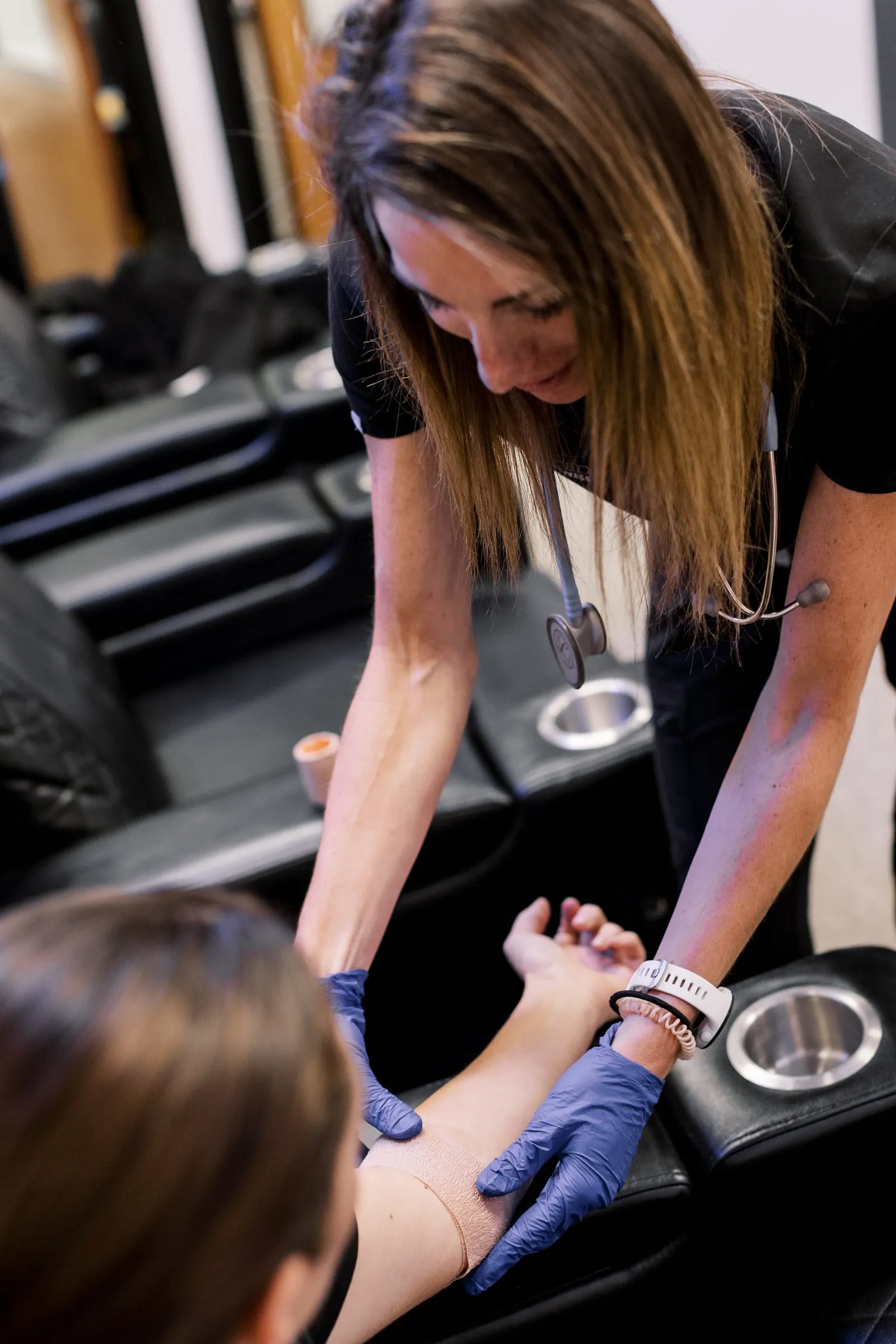
A clinician places an IV line for a patient in a treatment chair at Advanced Ketamine in Chandler, Arizona
Medically supervisedContinuous RN monitoringServing the greater Phoenix areaInside Advanced Medical Wellness
01 · Overview

What is ketamine infusion therapy?

Ketamine infusion therapy is the medically supervised administration of ketamine, delivered intravenously (IV) at a low, sub-anesthetic dose, to treat certain mental health and chronic pain conditions. Unlike the higher doses used for surgical anesthesia, the doses used in infusion therapy are carefully titrated to produce a therapeutic effect while keeping you safe, comfortable, and closely monitored throughout the visit.

Ketamine was originally developed as a surgical anesthetic and received FDA approval for that use in 1970. Since then, a growing body of clinical research has explored its use, often off-label at much lower doses, for treatment-resistant depression, anxiety, PTSD, OCD, and chronic pain conditions like CRPS and neuropathic pain. (The FDA has approved one related medication, intranasal esketamine, specifically for treatment-resistant depression; IV ketamine for mental health conditions is typically administered off-label, under a provider's clinical judgment.)

How it works, in plain terms

Ketamine acts primarily as an antagonist at the NMDA receptor, a site involved in how the brain processes glutamate, the brain's most abundant excitatory neurotransmitter. By temporarily blocking this receptor, ketamine is understood to trigger a cascade of downstream effects, including increased glutamate signaling and the release of brain-derived neurotrophic factor (BDNF), which is thought to support the growth of new neural connections. This may help by enhancing neuroplasticity and supporting the brain's ability to form healthier connection patterns, though ongoing research continues to refine how this works. Researchers believe this process, sometimes called synaptogenesis, may be part of why ketamine can produce rapid improvements in mood for some patients: often within hours, rather than the weeks typically required for traditional antidepressants, which work for less than half of patients.

See our Ketamine for Depression, Ketamine for Anxiety, PTSD & OCD, and Ketamine for Chronic Pain pages for condition-specific detail.

02 · Conditions

What ketamine infusion therapy can help with

Ketamine infusion therapy is most often considered for patients with treatment-resistant conditions who haven't found lasting relief through medication, talk therapy, or other traditional treatments. We treat:

If you're not sure which category fits your situation, that's exactly what the initial consultation is for.

03 · The Process

What to expect, from consultation to follow-up

It starts with a phone call with our patient coordinator to assess whether ketamine is right for you, answer your basic questions, and walk through pricing. From there:

Step 01

Consultation & Assessment

You'll meet with our licensed provider to review your medical history, current medications, prior treatments, goals, and any relevant medical conditions. This screening helps determine whether ketamine infusion therapy is an appropriate fit, supports safe, individualized treatment planning, and flags any safety considerations.

Step 02

Personalized Protocol

Based on your diagnosis, history, and goals, your provider builds a treatment plan: how many infusions, how often, and at what dose to start. Protocols are adjusted over time as part of individualized care based on how you respond.

Step 03

The Infusion Visit

You'll settle into a private, comfortable room. A registered nurse places your IV and monitors your vital signs (blood pressure, heart rate, and oxygen saturation) continuously throughout the infusion. Most infusions run 40 to 60 minutes. During this time, you may notice a sense of relaxation, mild dissociation, or altered perception; this is expected and typically fades shortly after the infusion ends. You'll rest for a short recovery period before you're cleared to leave with a driver.

Step 04

The Initial Series

Most patients begin with a series of infusions spaced over two to three weeks. Ketamine's effects tend to build cumulatively over an initial series, with symptom relief often improving over that time rather than after a single visit. That's why an induction series, rather than a one-off treatment, is the standard starting protocol.

Step 05

Follow-Up & Maintenance

After your initial series, your provider reassesses your response and determines whether, and how often, you'll need maintenance treatments or ketamine medication management to sustain your progress. Follow-up is designed to provide ongoing support as part of your healing journey.

04 · During Treatment

What does a ketamine infusion feel like?

Because ketamine produces what's clinically described as a "dissociative" effect, most patients notice a temporary shift in perception during the infusion, often described as dreamlike, floaty, or mentally distant from their surroundings. Some patients may also notice temporary dizziness or nausea during or shortly after treatment, which are known effects and are monitored closely. Vision and hearing may feel slightly altered, and some patients experience mild double vision or nystagmus (involuntary eye movement). All of these are expected, monitored effects that resolve on their own.

You remain safe and supported with compassionate care throughout. A nurse is present the entire time, and the environment is kept calm and low-stimulation to support a comfortable experience. Most patients feel back to their baseline within an hour or two after the infusion ends, though driving or operating machinery isn't advised for the rest of the day.

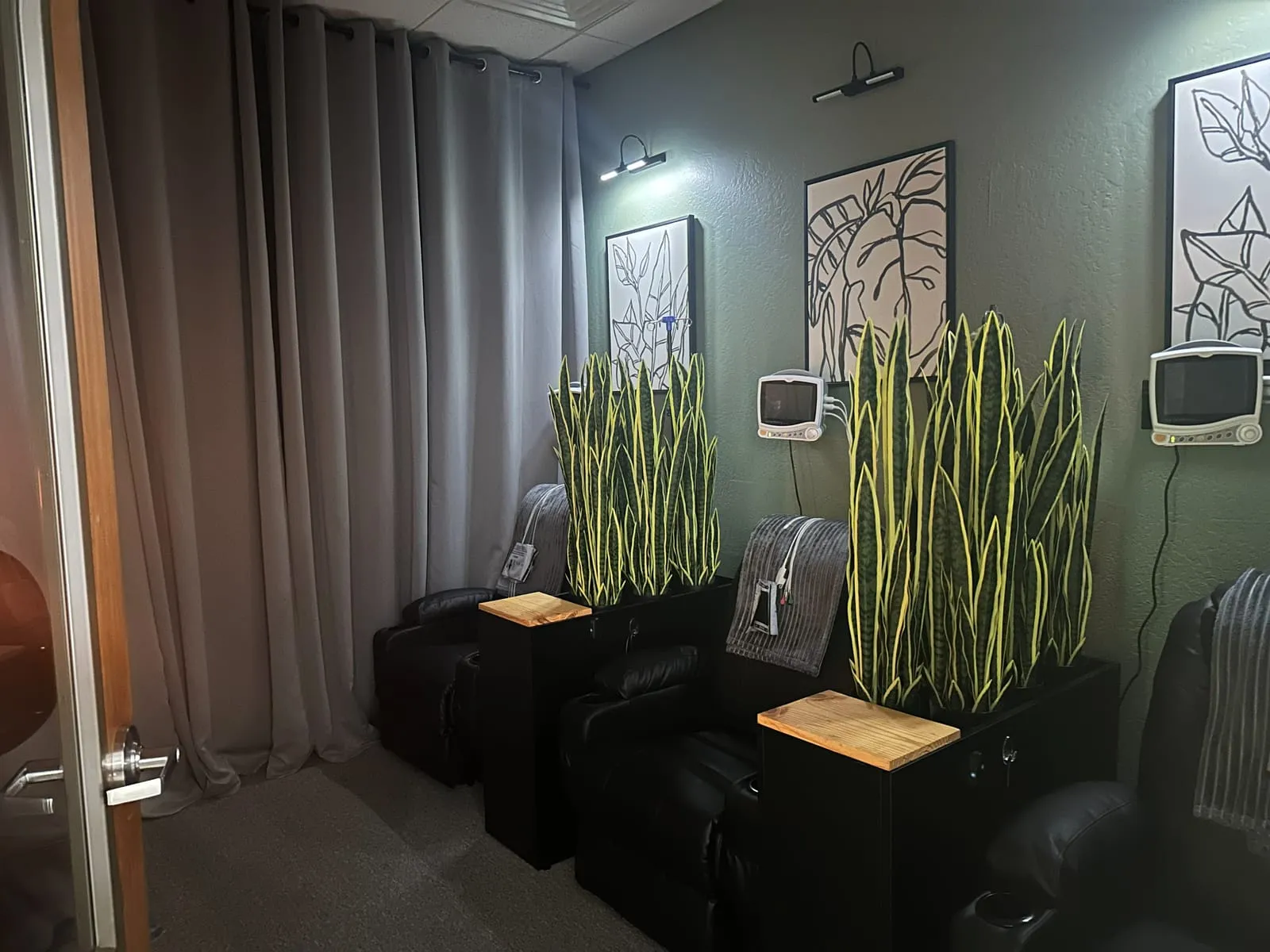
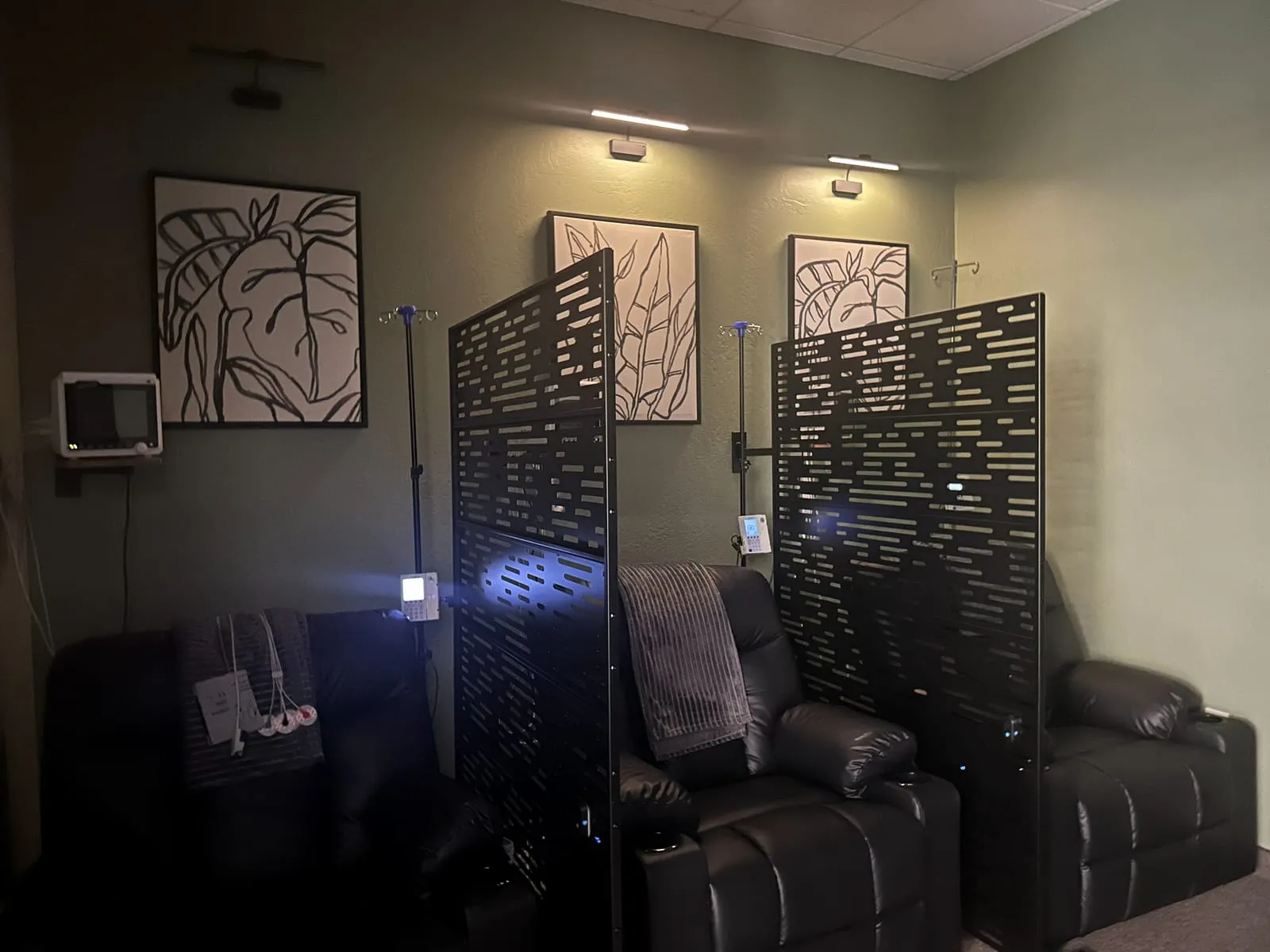
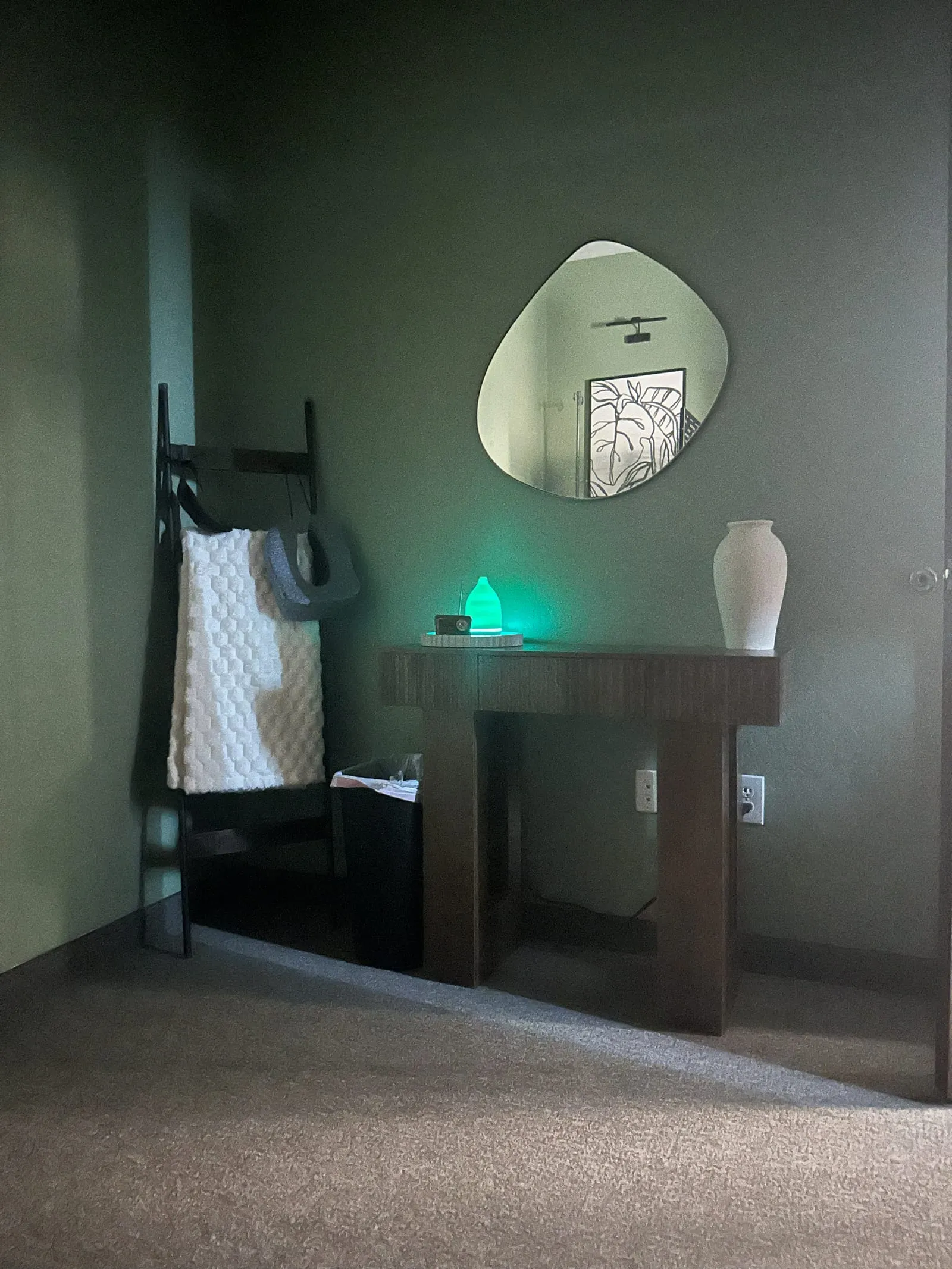
Reclining infusion chairs with snake plants and botanical art in the Advanced Ketamine treatment roomPrivacy screens between reclining infusion chairs at Advanced KetamineA quiet corner of the treatment suite with a mirror, diffuser, and soft lighting
05 · Safety & Candidacy

Who ketamine infusion therapy is, and isn't, right for

Ketamine infusion therapy is generally considered for adults with treatment-resistant depression, anxiety, PTSD, OCD, or chronic pain who haven't achieved lasting relief through traditional medications. Every patient is evaluated individually at consultation. Treatment is delivered by licensed medical professionals and overseen by a medical team.

Some patients may need additional evaluation, a modified protocol, or may not be candidates

  • Significant uncontrolled cardiovascular conditions (e.g., uncontrolled high blood pressure, unstable cardiac disease)
  • A history of psychosis or certain other psychiatric conditions
  • Uncontrolled elevated intracranial or intraocular pressure
  • Current substance use disorder involving ketamine or other controlled substances

This isn't an exhaustive list. Your full history is reviewed at consultation, and our provider will discuss any relevant risks with you directly before treatment begins. Because ketamine therapy can affect blood pressure and heart rate, careful screening and monitoring are an important part of safe treatment.

Every infusion includes

  • Continuous RN monitoring of vital signs
  • A licensed provider overseeing your protocol
  • Resuscitative equipment and emergency protocols on-site
  • A private, calm treatment room
  • A required driver for your ride home
06 · Evidence

Backed by a growing body of clinical research

Ketamine's use for mood and pain conditions is supported by an expanding set of clinical trials, systematic reviews, and real-world outcomes data. A sample of the published research informing our protocols:

Ketamine for the treatment of major depression: a systematic review and meta-analysis

eClinicalMedicine, 2023

A meta-analysis of 49 randomized controlled trials in over 3,000 patients found both racemic ketamine and esketamine produced meaningful reductions in depression severity.

View on PubMed →

Efficacy of IV ketamine and intranasal esketamine with dose escalation for major depression

Journal of Affective Disorders, 2024

A systematic review and meta-analysis comparing IV ketamine and intranasal esketamine dosing strategies for major depression.

View on PubMed →

Intravenous ketamine versus esketamine for depression: a systematic review and meta-analysis

Therapeutic Advances in Psychopharmacology, 2025

A head-to-head meta-analysis comparing IV ketamine with esketamine on response and remission rates in treatment-resistant depression.

View on PubMed →

A systematic review and meta-analysis of IV ketamine infusion for treatment-resistant depression

Journal of Affective Disorders, 2020

A decade-spanning meta-analysis (2009 to 2019) evaluating IV ketamine's effect on depression scores, remission, and response rates over time.

View on PubMed →

Effects of ketamine on depression and anxiety in real-world care settings

Journal of Affective Disorders, 2023

A retrospective analysis across ten U.S. community ketamine clinics comparing real-world depression and anxiety outcomes.

View on PubMed →

This is a sample of the published clinical literature on ketamine therapy and is provided for informational purposes. It is not medical advice, and individual results vary. Schedule a consultation with our provider to discuss whether treatment may be right for you.

07 · Cost

Transparent pricing, no surprises

We publish our per-session pricing up front and offer payment plans, because we think candidacy, not cost confusion, should drive your decision. Insurance coverage for IV ketamine varies by plan and diagnosis, and most mental-health infusions are billed as self-pay. For full pricing, what's included in each visit, and how insurance may apply, see our complete breakdown.

Ketamine Therapy Cost & Insurance →
08 · Service Area

Ketamine infusion therapy across the Phoenix area

Advanced Ketamine is based in Chandler, AZ, inside Advanced Medical Wellness. Patients regularly travel to us from Mesa, Gilbert, Tempe, Queen Creek, Scottsdale, Surprise, and throughout the greater Phoenix metro area for ketamine therapy services.

FAQ

Ketamine infusion therapy, frequently asked questions

What is ketamine infusion therapy, exactly?

It's the medically supervised delivery of ketamine through an IV, at a low, controlled dose, in a clinical setting. This is distinct from ketamine used recreationally or at the higher doses used for surgical anesthesia. The goal is a therapeutic effect for mood support or pain relief under continuous clinical oversight.

Is IV ketamine infusion therapy the same as Ketamine-Assisted Psychotherapy (KAP)?

Not exactly. IV ketamine infusion therapy centers on the medical administration and monitoring of the infusion itself. Ketamine-Assisted Psychotherapy pairs a ketamine session with structured talk therapy conducted during or around the dosing session. We are happy to work with your established provider: we handle the medical infusion, monitored environment, and dosing, and you continue with the psych provider you have built a relationship with. We can also recommend someone.

Why is ketamine given by IV instead of other methods, like intramuscular (IM) or intranasal?

IV administration allows the most precise, controllable dosing and the fastest, most predictable onset of effect, since the medication goes directly into the bloodstream rather than being absorbed through muscle or nasal tissue. That precision is part of why it's the standard route for infusion therapy.

How should I prepare for my first infusion visit?

Wear comfortable clothing, eat a light meal a few hours beforehand (your provider will give you specific guidance on timing), and bring a list of your current medications. We recommend clearing your schedule for the rest of the day so you can rest afterward without pressure to be anywhere.

Will I be awake and able to communicate during the infusion?

Yes. You remain conscious throughout; you're not put under anesthesia. Most patients stay quiet and inward-focused during the infusion, and staff will check in with you periodically. If you're interested in ketamine-assisted therapy, we will work with you to arrange a private session time with our recommended therapist or yours.

Do I need a referral from my doctor or therapist to start treatment?

No referral is required. You can schedule a consultation directly, and our provider will review your history and coordinate with any other providers you're currently seeing, as needed. Providers who would like to refer a patient can use our provider referral form.

What if I need therapy or psychiatry support, with or without ketamine?

Ketamine therapy works best alongside ongoing mental health care, and for some people a therapist or psychiatrist is the right first step before ketamine is considered. If you don't have one, Brightside is an independent online platform offering therapy and psychiatry appointments; it accepts self-pay and most major insurance plans. If you are in crisis, call or text 988.

Can I continue my current medications and therapy while receiving ketamine infusions?

In most cases, yes. Ketamine infusion therapy is typically used alongside existing psychiatric medication and talk therapy rather than in place of them. Your provider reviews your current medications for any relevant considerations before your first infusion. We actually recommend combining treatment with the therapy you are currently doing, or at least working with a therapist of your choosing.

What happens in the recovery room after my infusion ends?

You'll rest in your private setting for a short observation period while the nurse confirms your vital signs have returned to baseline and you feel steady. This isn't a rushed process. You leave when you and your care team agree you're ready, not on a fixed clock.

What safety equipment and protocols are in place during treatment?

Every infusion room is equipped for continuous vital sign monitoring, medications are available to manage unwanted side effects, and resuscitative equipment and emergency protocols are on-site and ready throughout every visit, consistent with standard clinical safety practice for IV ketamine administration.

Is ketamine infusion therapy considered experimental?

Ketamine itself has been FDA-approved as an anesthetic since 1970. Its use at lower doses for depression, anxiety, PTSD, OCD, and chronic pain is generally considered off-label, meaning it's prescribed based on a provider's clinical judgment and the supporting research literature rather than a condition-specific FDA approval (with the exception of intranasal esketamine, which is FDA-approved for treatment-resistant depression specifically). Many patients experience meaningful improvement after treatment, though response varies.

How soon after my consultation can I start treatment?

Timing depends on your provider's assessment and how your protocol is structured, but many patients are able to begin their infusion series shortly after their consultation. We'll walk you through exact scheduling once your plan is set.

Compare us. Then talk to us.

Candidacy is determined at a consultation: your history, your questions, and a clear recommendation. If we are not the right fit, we will say so.

Our patient coordinator will reach out within 24 hours. The phone consultation is free; a $149 medical evaluation ($99 for first responders) is required before starting treatment.