
Ketamine for Chronic Pain · Chandler, AZ

Ketamine for Chronic Pain & Nerve Conditions

Ketamine for chronic pain is used as an option for patients whose pain hasn't responded well to standard treatment, including complex regional pain syndrome (CRPS), neuropathic pain, fibromyalgia, and chronic migraines. Advanced Ketamine provides medically supervised ketamine infusion therapy from our Chandler clinic, often alongside your existing pain management physician or physical therapist.

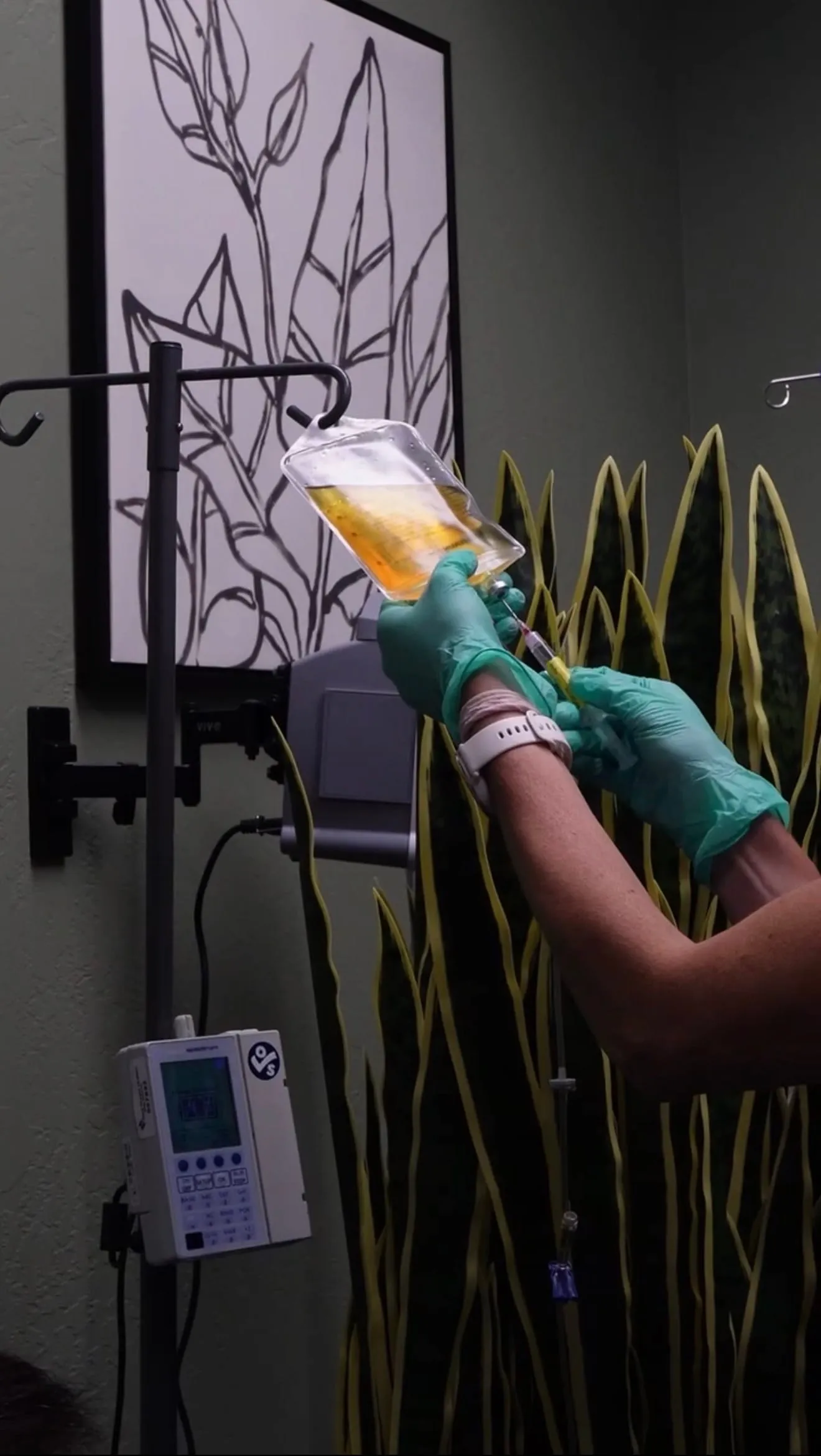
Gloved hands prepare an infusion bag on an IV pole in a treatment room at Advanced Ketamine
Medically supervisedContinuous RN monitoringServing the greater Phoenix areaInside Advanced Medical Wellness
01 · How It Works

How ketamine works for chronic and nerve pain

Chronic pain (pain lasting longer than three months) often behaves differently than the pain of a fresh injury. Over time, the nervous system can become sensitized: pain signals get amplified, nerves fire more easily, and the brain and spinal cord essentially "turn up the volume" on pain perception even after the original tissue damage has healed. This process is often called central sensitization, and it's part of why chronic pain frequently doesn't respond well to standard pain medications or even to treating the original injury directly.

The NMDA receptor is heavily involved in this sensitization process. Ketamine works as an NMDA receptor antagonist, meaning it blocks this receptor and is understood to help interrupt the pain-amplification cycle rather than simply numbing sensation the way opioids or local anesthetics do. This different mechanism is part of why ketamine is considered for chronic and nerve pain conditions that haven't responded to more conventional approaches.

For the general step-by-step of what an infusion visit looks like, see our Ketamine Infusion Therapy page.

02 · Conditions

Chronic pain and nerve conditions we treat

Complex Regional Pain Syndrome (CRPS)

CRPS is one of the more established uses of ketamine infusion therapy for pain. A 2018 consensus guideline from three major U.S. pain societies found moderate-quality evidence that IV ketamine can improve CRPS pain for up to about 12 weeks, making it one of the better-supported indications for infusion therapy in a pain-management context. For some patients, that can also support better mobility and day-to-day independence.

Neuropathic Pain

Neuropathic pain (pain caused by nerve damage or dysfunction, from causes like diabetic neuropathy, post-surgical nerve injury, or nerve compression) is another area where ketamine's NMDA-blocking mechanism is directly relevant, since nerve pain is closely tied to the same central sensitization process ketamine is understood to interrupt. For people living with nerve pain, reducing that persistent suffering can matter just as much as lowering pain scores.

Fibromyalgia

Research on ketamine for fibromyalgia is more mixed than for CRPS. Existing studies generally show short-term reductions in pain intensity, often lasting hours to a few days after a single infusion, with some evidence suggesting a dose-response relationship. We're upfront that fibromyalgia evidence is still developing, and this is discussed directly with you at consultation.

Migraines & Chronic Headache Disorders

Ketamine has been studied for refractory chronic migraine and other intractable headache disorders, generally in patients who have already tried multiple standard preventive and abortive treatments. Results across existing studies are mixed. Some patients see meaningful short-term relief, while controlled trials haven't consistently shown ketamine to outperform standard treatments. It's generally considered an option after other approaches haven't worked, not a first-line migraine treatment.

Other Chronic & Nerve Pain

We also evaluate patients with other forms of treatment-resistant chronic pain on a case-by-case basis, including post-surgical pain and other centralized pain conditions.

03 · Pain-Specific Protocols

How treatment for pain differs from our mental health protocols

While the infusion process itself is similar across conditions, treatment built around chronic pain has some differences from our depression, anxiety, or PTSD protocols:

Different dosing and infusion patterns

Pain protocols often use different dosing strategies and infusion schedules than those used for mood conditions, tailored to your specific pain condition and history. We also consider clinical factors that can affect response, including inflammatory patterns and prior treatment history, when shaping a plan.

Pain-specific tracking

Progress is typically tracked using pain-specific measures (numeric pain rating scales, functional improvement, and flare-up frequency) rather than mood-based rating scales. The goal is not only lower pain scores but better day-to-day life. We also watch for changes in pain sensitivity over time, not just intensity.

Coordination with your pain care team

Many of our pain patients are already working with a pain management physician, physical therapist, neurologist, or surgeon. We coordinate with your existing care team rather than operating as a standalone treatment, and when appropriate we may place ketamine alongside other therapies to support broader care goals.

Maintenance is often more central to the plan

For chronic pain conditions, periodic maintenance infusions are frequently part of the plan from the start, rather than an optional add-on considered later. Treatment duration and coordination over time can influence outcomes.

A clinician starts an IV line for a patient in a reclining treatment chair
04 · Your Visit

What to expect during a pain-focused infusion

You'll be evaluated by our provider, who reviews your pain history, prior treatments (medications, injections, physical therapy, surgeries), current symptoms, and any imaging or specialist notes you can provide to help determine whether ketamine is appropriate. From there, a protocol is built specifically around your condition, with low-dose ketamine infusions at subanesthetic doses shaped by clinical factors such as your condition and history. During the infusion itself, a registered nurse provides medical supervision and monitors your vital signs, including heart rate and blood pressure, throughout the session in a private room.

For the complete step-by-step of a visit, from consultation through follow-up, see our Ketamine Infusion Therapy page.

05 · Safety & Candidacy

Safety considerations specific to pain patients

Beyond the general candidacy criteria that apply to all patients, a few considerations come up more often with chronic pain patients specifically:

  • Current opioid use: If you're on chronic opioid therapy, your provider will review your history, prior treatments, and current symptoms to assess whether a pain-focused protocol is appropriate. During treatment, heart rate and blood pressure are monitored throughout.
  • Frequency of use: Because chronic pain often calls for more frequent or longer-term ketamine use than a short mental-health series, your provider monitors for adverse effects associated with more frequent dosing, including rare urinary tract (cystitis-type) or biliary symptoms that have been reported with chronic or intermittent long-term ketamine use. Most patients tolerate treatment well, and if side effects do occur, they usually improve after discontinuation. In some cases, premedication may be used to decrease distressing dissociative symptoms.
  • Coordination, not replacement: Ketamine infusion therapy is often used off-label for pain, meaning it is not FDA-approved specifically for this purpose, so clinical care and patient selection matter. It is generally considered when traditional treatments have not provided enough relief, not as a replacement for other treatments like physical therapy, nerve blocks, or medication management unless your care team determines otherwise.
  • Who may not be a fit: Your provider also reviews contraindications, including certain cardiovascular, psychiatric, or other medical factors that may make treatment inappropriate or require added caution.
06 · Evidence

Backed by pain-specific clinical research

The evidence for ketamine in chronic pain varies meaningfully by condition. We think that's worth being upfront about, rather than treating all pain diagnoses the same. A sample of the research specific to chronic and nerve pain:

Consensus Guidelines on the Use of Intravenous Ketamine Infusions for Chronic Pain

Regional Anesthesia and Pain Medicine, 2018 (Cohen et al.)

Joint consensus guidelines from the American Society of Regional Anesthesia and Pain Medicine, the American Academy of Pain Medicine, and the American Society of Anesthesiologists, reviewing the evidence across CRPS, neuropathic pain, fibromyalgia, and headache, and establishing dosing and monitoring recommendations still referenced across the field today.

View on PubMed →

Use of Ketamine Infusions for Treatment of Complex Regional Pain Syndrome: A Systematic Review

Cureus, 2021 (Chitneni et al.)

A systematic review of 14 studies on ketamine infusion for treatment-resistant CRPS, finding that the majority reported reduced pain scores and symptom relief following treatment.

View on PubMed →

Systematic Review of the Use of Intravenous Ketamine for Fibromyalgia

Ochsner Journal, 2021 (Pastrak et al.)

A review of controlled trials and case studies finding short-term reductions in pain intensity after ketamine infusion, with a possible dose-response relationship, while noting that larger, longer-term controlled trials are still needed.

View on PubMed →

Efficacy of Ketamine in the Treatment of Migraines and Other Unspecified Primary Headache Disorders: A Systematic Review

Journal of Dental Anesthesia and Pain Medicine, 2021 (Chah et al.)

A systematic review of randomized controlled trials on ketamine for migraine and headache disorders, finding mixed results overall and concluding that further controlled research is needed before ketamine can be considered a first-line headache treatment.

View on PubMed →

This is a sample of the published clinical literature on ketamine for chronic and nerve pain and is provided for informational purposes. It is not medical advice. As shown above, the strength of the evidence varies by condition, and individual results vary. Schedule a consultation with our provider to discuss whether treatment may be right for your specific diagnosis.

07 · Service Area

Chronic pain treatment for the greater Phoenix area

Advanced Ketamine is based in Chandler, Arizona, inside Advanced Medical Wellness. Patients regularly travel to us for chronic pain treatment from Mesa, Gilbert, Tempe, Queen Creek, Scottsdale, Surprise, and throughout the greater Phoenix metro area, often in coordination with a local pain management specialist.

FAQ

Ketamine for chronic pain, frequently asked questions

Does ketamine work the same way for pain as it does for depression?

It's the same underlying mechanism, NMDA receptor blockade, but the clinical target is different. For pain, ketamine is understood to interrupt central sensitization (the nervous system's pain-amplification response), while for depression it's linked to changes in mood-related neural connectivity. Dosing and infusion schedules are also typically structured differently for pain versus mood conditions.

Is ketamine used as an alternative to opioid pain medication?

Ketamine works through a completely different receptor system than opioids and isn't a direct substitute, but it's sometimes considered specifically because it doesn't carry the same opioid-related risks. Some patients use it alongside a broader plan to reduce reliance on opioid medication, under close coordination with their prescribing physician.

Can Advanced Ketamine coordinate with my pain management physician or physical therapist?

Yes. We regularly coordinate with a patient's existing pain management team, and are glad to communicate directly with a referring physician, physical therapist, or surgeon about your treatment plan. Providers can refer a patient here.

How long does pain relief typically last after an infusion?

This varies significantly by condition and individual. Some patients experience relief lasting days to weeks after a single infusion, while conditions like CRPS have shown benefit extending out to roughly 12 weeks in some studies. This is a key reason maintenance infusions are often part of a longer-term pain plan.

Does ketamine treat the underlying nerve damage, or does it just mask the pain?

Ketamine doesn't repair damaged nerve tissue directly. Instead, it's understood to interrupt the central nervous system's amplified pain-signaling response, which can reduce how intensely pain is perceived and processed. That's a different mechanism than either healing tissue or simply numbing sensation.

Can ketamine infusions be combined with nerve blocks, physical therapy, or other pain treatments?

In most cases, yes. Ketamine infusion therapy is typically used as one part of a broader pain management plan rather than a standalone replacement for other treatments. Your provider will discuss how it fits alongside your current care.

Is ketamine effective for fibromyalgia?

The evidence for fibromyalgia is more limited than for conditions like CRPS. Existing studies generally show short-term pain relief after infusion, with some suggestion that higher or more frequent dosing may extend benefit, but larger long-term trials are still needed. We discuss this evidence honestly with fibromyalgia patients at consultation.

How often will I need maintenance infusions to manage chronic pain?

This depends on your specific condition and how you respond to your initial series. Chronic pain protocols often involve periodic maintenance infusions on an ongoing basis, spaced based on how long your relief tends to last.

Will ketamine interact with pain medications I'm already taking, including opioids?

Ketamine can interact with certain medications, including some used for chronic pain management. Your provider reviews your complete medication list, including opioids, at consultation to identify any relevant considerations before your protocol is finalized.

What's the difference between the ketamine doses used for pain versus anesthesia or depression?

All are far below the doses used for surgical anesthesia. Within sub-anesthetic dosing, pain protocols and mental-health protocols are often structured differently in terms of infusion rate, frequency, and series length, based on clinical guidelines specific to each use. Your provider builds your protocol around your specific diagnosis.

Compare us. Then talk to us.

Candidacy is determined at a consultation: your history, your questions, and a clear recommendation. If we are not the right fit, we will say so.

Our patient coordinator will reach out within 24 hours. The phone consultation is free; a $149 medical evaluation ($99 for first responders) is required before starting treatment.