
What Is Ketamine Therapy? How It Works and What It Treats
What is ketamine therapy? Learn how IV ketamine works in the brain, what it treats, what an infusion is like, and who may be a candidate.
15 min read
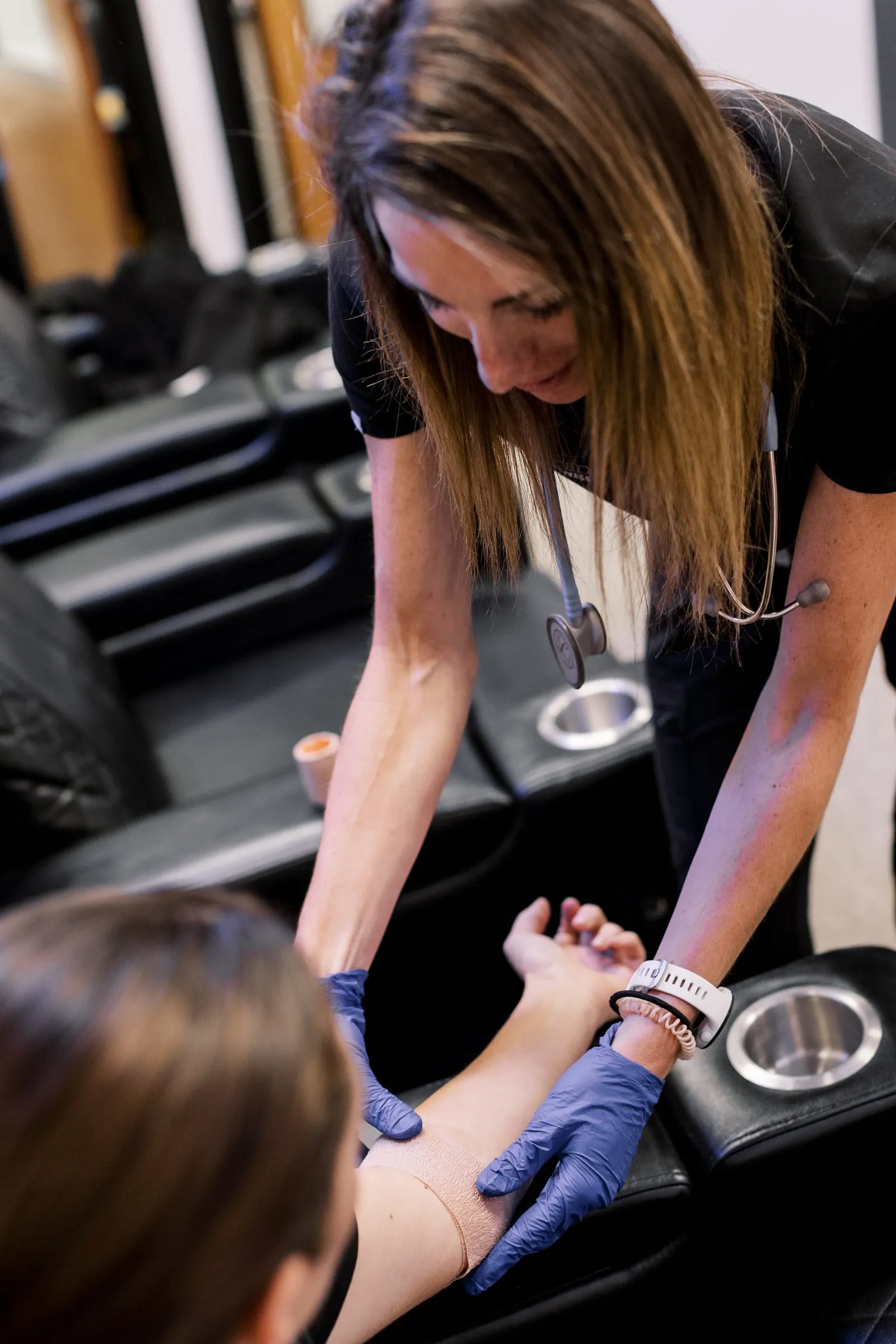
Ketamine therapy is the medically supervised use of low, sub-anesthetic doses of ketamine, most often given as IV ketamine infusion therapy, to treat treatment-resistant depression, anxiety, PTSD, OCD, and chronic pain. Unlike traditional antidepressants that act on serotonin and take a few weeks to reach full effect, ketamine targets the glutamate system, which is why many patients experience relief within hours to days instead of weeks. This article answers three questions: what ketamine therapy is, how it works in the brain, and what conditions it treats.
Many people in Chandler and the East Valley have already tried two or more treatments without meaningful improvement. Advanced Ketamine provides IV ketamine infusion therapy in Chandler under continuous RN monitoring for adults who need another option. Call (928) 464-9638 for a free consultation, or take the clinic’s 2-minute self-check to see if you may be a candidate.
Key Takeaways
- Ketamine therapy uses low, carefully dosed ketamine in clinical settings to rapidly relieve treatment-resistant depression, anxiety disorders, PTSD, OCD, bipolar depression, suicidal ideation, and some chronic pain conditions. It is not the same as recreational ketamine use.
- Ketamine targets the glutamate system and N-methyl-D-aspartate (NMDA) receptors rather than serotonin, which is why its antidepressant effects can appear within hours to days, unlike traditional antidepressants that often take a few weeks.
- Ketamine therapy can be given as IV infusions or as oral or sublingual doses. Most treatment plans involve multiple sessions during an induction phase followed by periodic maintenance.
- Common side effects are usually short-lived: nausea, dizziness, dissociative effects, and a temporary blood pressure increase. However, ketamine treatment is not appropriate for everyone, so thorough medical history screening is essential before starting.
- Advanced Ketamine in Chandler offers IV ketamine infusion therapy with continuous RN monitoring, published pricing from $389 per session, and free phone consultations for patients across the East Valley and greater Phoenix area.
What Is Ketamine Therapy?
So what is ketamine therapy, exactly? It is a medical treatment that uses low doses of ketamine, far below anesthetic levels, to address mental health conditions and certain chronic pain syndromes in a supervised clinical setting. Ketamine therapy is an umbrella term covering IV ketamine therapy and oral or sublingual dosing, all administered under medical supervision.
Ketamine was approved by the US Food and Drug Administration in 1970 as an anesthetic at higher doses. Over the past two decades, researchers found that sub-anesthetic ketamine produces rapid antidepressant effects in patients with major depressive disorder who had not responded to standard care [S1].
IV ketamine for depression, anxiety, PTSD, and other mental health conditions is off-label, meaning it is legally prescribed by a licensed healthcare provider under accepted professional standards but has not received a specific FDA indication for those uses.
From Anesthetic to Mental Health Treatment
Ketamine was developed in the 1960s and approved for surgical anesthesia in 1970. Researchers later found that much lower doses could ease depressive symptoms within hours of an infusion [S1], which sparked interest in ketamine as a mental health treatment.
Today, ketamine therapy is used in carefully selected adults with severe depression, bipolar depression, PTSD, OCD, anxiety disorders, and some chronic pain conditions, particularly when traditional medications and psychotherapy have not worked.
How Medical Ketamine Treatment Differs from Recreational Use
Medical ketamine treatment uses low, precisely calculated doses delivered via IV infusion over 40 to 60 minutes with continuous RN monitoring and full medical supervision. Recreational ketamine involves higher doses of unknown purity, taken in uncontrolled environments without safety monitoring, carrying significant risks of injury, psychosis, and addiction.
Clinical ketamine therapy always begins with a complete medical history and medication review to screen for contraindications and reduce adverse effects. Patients are observed post-treatment and are never allowed to drive themselves home due to short-term cognitive impairment.
Ketamine clinics like Advanced Ketamine use private rooms, a calming environment, and standardized protocols. Unsupervised at-home ketamine use, especially via telemedicine prescriptions without in-person evaluation, carries a fundamentally different risk profile than in-clinic therapy delivered by a dedicated care team.
Types of Ketamine Therapy
Ketamine therapy can be delivered in more than one way, and each route has different onset times, monitoring requirements, and dosing precision. The table below provides a quick comparison.
| Route | How It’s Given | Typical Setting | Onset | FDA Status for Depression |
|---|---|---|---|---|
| IV ketamine | Vein infusion, 40 to 60 min | Infusion clinic | Minutes | Off-label |
| Oral/sublingual | Pill, liquid, or lozenge | Clinic or supervised home | 20 to 45 min | Off-label |
Advanced Ketamine focuses on IV ketamine infusion therapy in Chandler with continuous RN monitoring, coordinated with each patient’s own therapist or prescriber.
IV Ketamine Therapy (IV Infusion)
IV ketamine therapy delivers ketamine directly into a vein via IV infusion over roughly 40 to 60 minutes, allowing precise, adjustable dosing and rapid onset.
In a 2026 pooled analysis of two randomized trials in treatment-resistant depression (132 patients), a single infusion improved nine of ten items on a standard depression rating scale within four hours, compared with saline or midazolam control infusions [S1]. At Advanced Ketamine in South Chandler, every IV ketamine infusion includes continuous RN monitoring, real-time blood pressure and heart rate tracking, and a post-infusion observation period. IV ketamine is used for mood disorders and, in longer protocols, chronic pain conditions such as CRPS and neuropathic pain.
Oral and Sublingual Ketamine
Oral ketamine (pills or liquid) and sublingual ketamine (lozenges dissolved under the tongue) have lower and more variable bioavailability than IV ketamine, making precise dosing harder. A 2026 systematic review flags safety and monitoring questions around telehealth prescribing of oral and sublingual ketamine [S4].
Some providers use oral ketamine as a maintenance strategy after an IV induction phase, or for carefully selected patients at home under strict instructions. The slower onset, longer duration, and reduced predictability call for ongoing mental health follow-up to minimize misuse risk.
Ketamine-Assisted Psychotherapy (KAP)
Ketamine-assisted psychotherapy (KAP) pairs low-dose ketamine sessions with structured psychotherapy, before, during, or after dosing, to help patients process experiences and reshape negative thought patterns. KAP may use IV or oral ketamine alongside cognitive behavioral therapy (CBT), trauma-informed therapy, or exposure-based approaches.
Advanced Ketamine does not provide psychotherapy. The clinic coordinates infusions with each patient’s existing therapist or prescriber so ketamine sessions fit into a broader treatment plan rather than replacing ongoing care.
How Does Ketamine Therapy Work?
How does ketamine therapy work at the level of the brain? In short, ketamine targets glutamate and NMDA receptors, rapidly increasing neuroplasticity and strengthening connections between brain cells involved in mood and stress regulation. Unlike traditional antidepressants that act mainly on serotonin and take a few weeks to work, ketamine’s rapid antidepressant effect can appear within hours to a couple of days for many patients with treatment-resistant depression.
Scientists are still studying the full mechanism. The explanations below draw on a 2026 systematic review of 106 published articles [S4].
Glutamate and the NMDA Receptor
Glutamate is the brain’s main excitatory neurotransmitter. At sub-anesthetic doses used in mental health treatment, ketamine blocks NMDA receptors, a critical type of glutamate receptor. This blockade appears to “reset” overactive circuits involved in chronic stress, anxiety disorders, and depressive symptoms, helping disrupt rigid negative thought patterns.
Think of it like rebooting a frozen computer. When brain cells get stuck firing in loops that sustain depression or anxiety, NMDA receptor blockade can interrupt those loops and allow healthier signaling to resume.
Neuroplasticity: Helping the Brain Rebuild Connections
Following NMDA blockade, ketamine rapidly boosts molecules like brain-derived neurotrophic factor (BDNF) and promotes the growth of new synaptic connections, a process called neuroplasticity [S4]. This increased plasticity may open a window when it is easier for patients to adopt healthier coping skills, engage in psychotherapy, and loosen long-standing depressive or anxious thought loops.
Some patients report that ketamine treatment makes it easier to feel hopeful, break out of mental ruts, and respond better to other mental health treatments happening alongside their infusions.
Why the Effects of Ketamine Come on So Quickly
Ketamine’s rapid onset, often within hours of an infusion [S1], stands in stark contrast to traditional antidepressants that commonly take a few weeks to show full antidepressant effects. Ketamine’s rapid antidepressant effects are particularly important for people with severe depression or suicidal ideation. In a small 2026 pilot trial of add-on IV ketamine for severe depression that was not treatment-resistant, scores improved from the second day, and 58 percent of patients responded by day 12 compared with 29 percent on placebo [S2].
However, ketamine is not an emergency-room substitute. Crises still require immediate care and the 988 Suicide & Crisis Lifeline. While some patients feel better after one infusion, sustained benefit usually requires repeated doses in an induction phase followed by periodic maintenance sessions.
What Does Ketamine Therapy Treat?
Ketamine therapy is used most often for depression, including treatment-resistant depression and suicidal thoughts, and also for anxiety disorders, PTSD, OCD, bipolar depression, and certain chronic pain conditions. Individual responses vary. Many patients improve significantly, some experience partial benefit, and others may not respond, which is why ketamine is usually one part of a broader treatment plan.
Advanced Ketamine coordinates infusions with each patient’s own therapist or prescriber, so ketamine therapy fits into their ongoing mental health care.
Ketamine for Treatment-Resistant Depression
Major depressive disorder (MDD) affects millions of Americans. When depressive episodes have not improved after at least two adequate courses of medication or therapy, doctors call it treatment-resistant depression (TRD). Ketamine for depression can reduce depressive symptoms within hours, with early improvement across most depression symptoms in trials of patients with TRD [S1].
Advanced Ketamine offers structured IV ketamine infusion therapy in Chandler for adults with TRD, whether self-referred or referred by a provider.
Bipolar Depression and Bipolar Disorder
Ketamine therapy is used for bipolar depression, the depressive phase of bipolar disorder, not for manic episodes, and only under close psychiatric supervision. In a 2026 randomized trial of 68 adults with treatment-resistant bipolar depression, four IV infusions over two weeks, added to a mood stabilizer or antipsychotic, lowered depression scores by 7.3 points more than a control infusion, with no cases of mania [S3].
Careful screening, mood stabilizer optimization, and collaboration with each patient’s psychiatrist are essential before starting ketamine treatment for bipolar disorder.
Suicidal Ideation and Suicidal Thoughts
In a 2026 analysis of a randomized trial in suicidal psychiatric inpatients, two IV infusions given a day apart lowered psychological pain more than placebo, with the clearest difference in the first hours and through the first four days [S5]. In the pilot trial above, suicidal ideation had resolved by day five in the ketamine group but persisted in the placebo group [S2].
Ketamine therapy is not an emergency treatment and does not replace crisis services. If you or someone you know is in immediate danger, call the 988 Suicide & Crisis Lifeline or go to your nearest emergency room. For patients with a history of suicidal thoughts, the clinic coordinates with the patient’s own psychiatrist or prescriber so there is support between infusions.
Anxiety Disorders, PTSD, and OCD
IV ketamine is also used for generalized anxiety, social anxiety, post-traumatic stress disorder, and obsessive-compulsive disorder, where it may calm overactive fear and worry circuits and reduce avoidance, hyperarousal, and intrusive thoughts. It tends to work best alongside trauma-focused or exposure-based therapy with the patient’s own therapist. Learn more about ketamine for anxiety, PTSD and OCD.
Chronic Pain Conditions, CRPS, and Neuropathic Pain
In chronic pain conditions such as complex regional pain syndrome (CRPS) and certain neuropathic pain syndromes, ketamine’s NMDA blockade may help reset sensitized pain pathways. Pain protocols use longer infusions than mental health protocols: at Advanced Ketamine, the Chronic Pain Protocol is a 2-hour infusion and the CRPS Protocol a 4-hour infusion. Not all chronic pain patients are candidates, especially those with uncontrolled cardiovascular or liver disease. See ketamine for chronic pain for details.
What Does Ketamine Therapy Feel Like?
What does ketamine therapy feel like during a session? Most patients describe a dreamlike, floaty state with changes in body perception, mild visual distortions, and a slowed sense of time. These dissociative effects typically peak during the infusion and fade within about an hour afterward. Patients remain awake and can respond to staff throughout.
At Advanced Ketamine in Chandler, each infusion takes place in a private treatment room designed to put anxious first-timers at ease. Some patients feel relaxed or emotionally open, while others may have brief moments of unease. A registered nurse is present throughout to monitor vital signs, adjust the infusion rate, and provide grounding support. After the session, patients may feel tired for the rest of the day and must arrange a ride home.
The Ketamine Treatment Process, Step by Step
Here is what the process looks like at Advanced Ketamine:
- Free phone consultation. A team member reviews your symptoms, previous treatments, and answers questions about ketamine infusion therapy and cost.
- Medical evaluation. An in-person visit ($149, or $99 for first responders) includes a full medical history review and screening to determine candidacy and rule out contraindications.
- Treatment plan. Your provider creates a personalized plan based on diagnosis, symptom severity, and your goals.
- Induction phase. Six infusions over three weeks, two per week, delivered as IV infusions with continuous monitoring. A driver is required for every visit.
- Maintenance phase. Less frequent maintenance infusions based on your response, typically every 4 to 8 weeks, plus ongoing therapy and medication management through your existing mental health providers.
Is Ketamine Therapy Safe? Side Effects and Adverse Effects
Ketamine has been used in anesthesia for over 50 years. At lower doses, ketamine therapy is generally well tolerated when delivered under medical supervision, though side effects do occur and some people are not candidates. IV ketamine for depression and other mental health disorders is off-label, and treatment decisions depend on each patient’s history and individual risk profile.
Common, Short-Lived Effects
Typical short-term effects of ketamine include:
- Nausea or mild stomach discomfort
- Dizziness or lightheadedness
- Blurred or double vision
- Dissociative or “floating” sensations
- Temporary increases in blood pressure and heart rate
- Brief anxiety or emotional sensitivity
The care team can treat nausea and closely tracks vital signs, slowing or pausing an infusion if needed. Patients may have cognitive impairment, slowed reflexes, or fatigue for the rest of the day, so driving, operating machinery, and signing important documents should be avoided.
Why Your Medical History Matters
Careful review of each patient’s medical history helps minimize serious adverse effects. Conditions like uncontrolled hypertension, heart disease, active psychosis, pregnancy, and untreated substance use disorder may make ketamine therapy unsafe or require co-management with specialists. Your provider may ask for clearance from your own doctor before starting treatment.
Ketamine vs. Other Treatments for Depression
Ketamine is usually considered after standard treatments like selective serotonin reuptake inhibitors (SSRIs), serotonin-norepinephrine reuptake inhibitors (SNRIs), psychotherapy, and sometimes transcranial magnetic stimulation (TMS) have not provided enough relief. Here is how common options compare:
| Treatment | Onset | Sessions / Duration | Setting | Common Side Effects |
|---|---|---|---|---|
| SSRIs / SNRIs | 4 to 6 weeks | Daily, ongoing | Home | Weight changes, sexual side effects |
| Transcranial magnetic stimulation | 4 to 6 weeks | 20 to 36 sessions | TMS clinic | Scalp discomfort, headache |
| Electroconvulsive therapy | 1 to 2 weeks | 6 to 12 sessions | Hospital, under anesthesia | Memory loss, confusion |
| IV ketamine | Hours to days | 6 infusions, then maintenance | Ketamine clinic | Nausea, dissociation, blood pressure increase |
Traditional medications remain first-line because of their long safety record and lower per-session cost. Ketamine offers rapid relief as a treatment for depression when other treatments have not been enough.
Who Is a Good Candidate for Ketamine Therapy?
The ideal candidate is an adult with moderate to severe, function-impairing symptoms of depression, anxiety, PTSD, OCD, or chronic pain who has tried at least two other standard treatments without adequate improvement. Key suitability criteria include:
- Stable medical conditions (cardiovascular, liver, kidney)
- Ability to attend multiple sessions during the induction phase
- A reliable support person or driver for every visit
- Willingness to continue therapy and medication management alongside ketamine
Patients who are usually not candidates include those with uncontrolled high blood pressure, serious heart disease, current psychosis, pregnancy, or active substance misuse without addiction specialty support.
If you live in Chandler or the greater Phoenix area, take the 2-minute self-check to see if you may be a candidate, or call (928) 464-9638 to speak with a team member.
Ketamine Therapy in Chandler and the East Valley
Advanced Ketamine sits inside Advanced Medical Wellness, the concierge practice founded by Cally Smith, APRN, FNP-C, in South Chandler on S Cooper Rd near Ocotillo and the Loop 202 Santan Freeway, with parking directly outside. Patients travel from Gilbert, Mesa, Tempe, Queen Creek, Scottsdale, Phoenix, Surprise, and San Tan Valley, and commute distance matters because an infusion series involves multiple sessions over three weeks and a driver home each visit.
Pricing starts at $389 per session, with a $149 medical evaluation ($99 for first responders) and 10-pack savings of $300. See the full ketamine therapy cost and insurance breakdown. No referral is needed.
Take the Next Step Toward Relief
Ketamine therapy offers rapid relief for many patients with treatment-resistant depression and other mental health conditions, but results vary, and it is not a cure or a first-line treatment. If you have been struggling with mental health challenges that have not responded to standard care, schedule a free consultation or call (928) 464-9638 to discuss whether IV ketamine therapy fits your situation.
If you or someone you know is in immediate crisis, call 988 or go to the nearest emergency room. Ketamine therapy is scheduled, outpatient care, not an emergency intervention.
Ketamine Therapy FAQs
Does ketamine therapy get you high?
Therapeutic doses cause a temporary, controlled dissociative state, feeling floaty, altered, or dreamlike, but this is different from an uncontrolled recreational high. Patients are monitored continuously in clinical settings, and doses are adjusted to keep the experience safe. These effects typically wear off within about an hour after an IV infusion, though patients may feel tired for the rest of the day and must not drive.
How long do the effects of ketamine therapy last?
After a single ketamine infusion, mood improvements may last a few days, depending on the individual and condition. A full induction series of six infusions over three weeks often leads to longer-lasting relief, especially when combined with ongoing therapy. Maintenance infusions, typically every 4 to 8 weeks, are tailored to each patient.
How many ketamine sessions will I need?
Most patients begin with an initial series of six IV ketamine sessions over three weeks, with regular check-ins to gauge response. Your provider may add one to three infusions in weeks 4 to 8, and many patients then move to maintenance infusions. The exact number depends on diagnosis, treatment goals, side effects, and how you respond.
Is ketamine therapy legal in Arizona?
Yes. Ketamine is a Schedule III prescription medication, and ketamine therapy is legal in Arizona when prescribed and administered by licensed healthcare providers in clinical settings. IV ketamine for depression, anxiety, PTSD, and other mental health conditions is an off-label use, which is common and permitted when a licensed provider judges it appropriate.
Is ketamine therapy addictive?
Ketamine does have abuse potential when used frequently at higher doses without medical supervision, particularly in recreational contexts. In structured ketamine clinics, low, intermittent doses, strict screening, and close follow-up greatly reduce that risk. Patients with a history of substance use disorders may still be candidates, but only with extra precautions, specialist input, and a clear relapse-prevention plan.
Sources
- Progress in Neuro-Psychopharmacology and Biological Psychiatry. Symptom-level and network analyses of ketamine treatment in treatment-resistant depression: A pooled analysis of two randomized controlled trials. September 26, 2026.
- Indian Journal of Psychiatry. Add-on intravenous ketamine eliminates treatment lag period in severe non-treatment-resistant major depression: Rapid antidepressant and anti-suicidal effects: A randomized controlled trial. September 17, 2026.
- JAMA Psychiatry. Serial Ketamine Infusions for Treatment-Resistant Bipolar Depression: A Randomized Clinical Trial. September 2, 2026.
- Frontiers in Psychiatry. Ketamine in psychiatry: a systematic review of clinical applications, safety considerations, and emerging challenges. October 1, 2026.
- Journal of Affective Disorders. Intravenous Ketamine reduces psychological pain in suicidal inpatients: A secondary analysis of a six-week randomized placebo-controlled trial. August 10, 2026.